Beef, It’s No Longer for Dinner: Tyson’s $426M Loss, Thousands of Job Losses and a Devastated Rural Economy
fter facing a whopping $426 million in operating losses in 2025, Tyson Foods is closing a meat processing plant in late January 2026. The closure of this ‘5,000-head-per-year’ plant comes after a year of low cattle supplies and high cattle prices, much of which can be attributed to (and will worsen because of) climate change.
This tightens margins for large beef processors like Tyson Foods, who in turn attempt to widen their margins, making it even harder for smaller beef producers to make a living and jeopardising the livelihoods of thousands of their processing plant workers.
Not only does this have a direct economic impact, it poses increasingly material financial risks for the banks who invest and lend heavily to animal agriculture.
Loading image...An Unjust Transition: Thousands of Jobs Lost, Livelihoods Threatened and a Rural Economy in Dire Straits
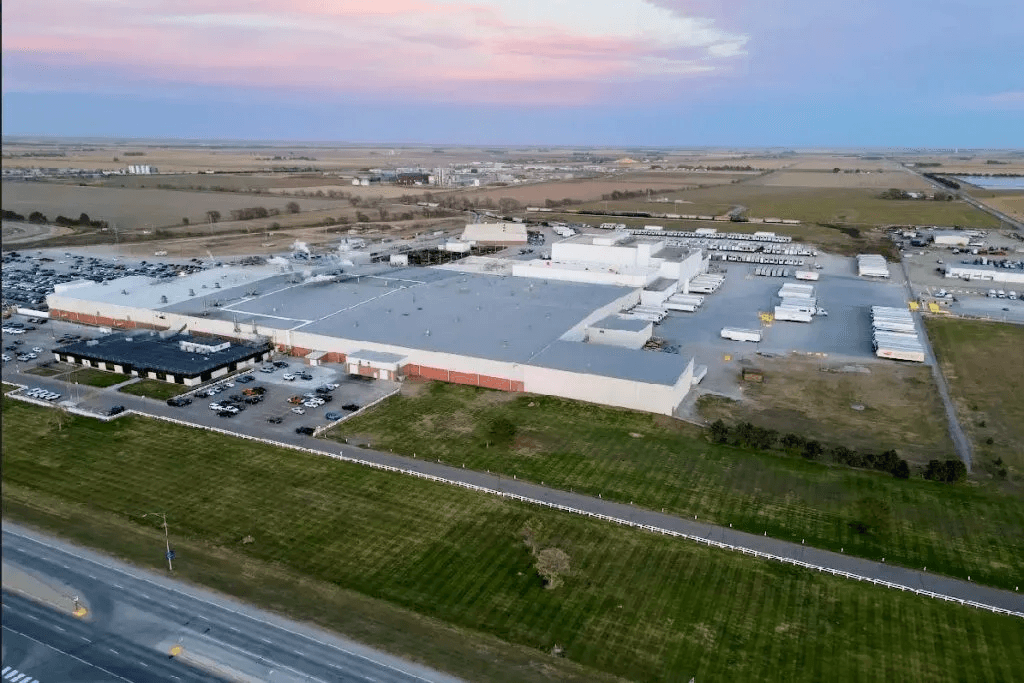
About thirty percent of workers in the small rural town of Lexington, Nebraska were estimated to lose their jobs on January 20, 2026 due to the permanent closure of a large Tyson Foods processing plant that slaughtered “almost 5,000 cattle per day.” The massive layoff of 3,200 workers in the town will cause direct income losses for the area, but also eliminates the work available in sectors that support the plant.
A University of Nebraska-Lincoln report estimates a $530 million loss in labor income from both the employees laid off from Tyson Foods directly and the indirect job loss from industries that once supported the plant workers.
As a result, State personal income tax revenue is estimated to fall by $23 million and a continuous decline of state sales tax revenues by $10 million per year.
The report’s estimate of the overall loss incurred by the plant closure to be about $3 billion throughout the state and result in the county of the plant to see a $2.7 million drop in local sales tax per year.
Loading image...Beef’s Supply Chain Vulnerability is a Strong Warning to Investors
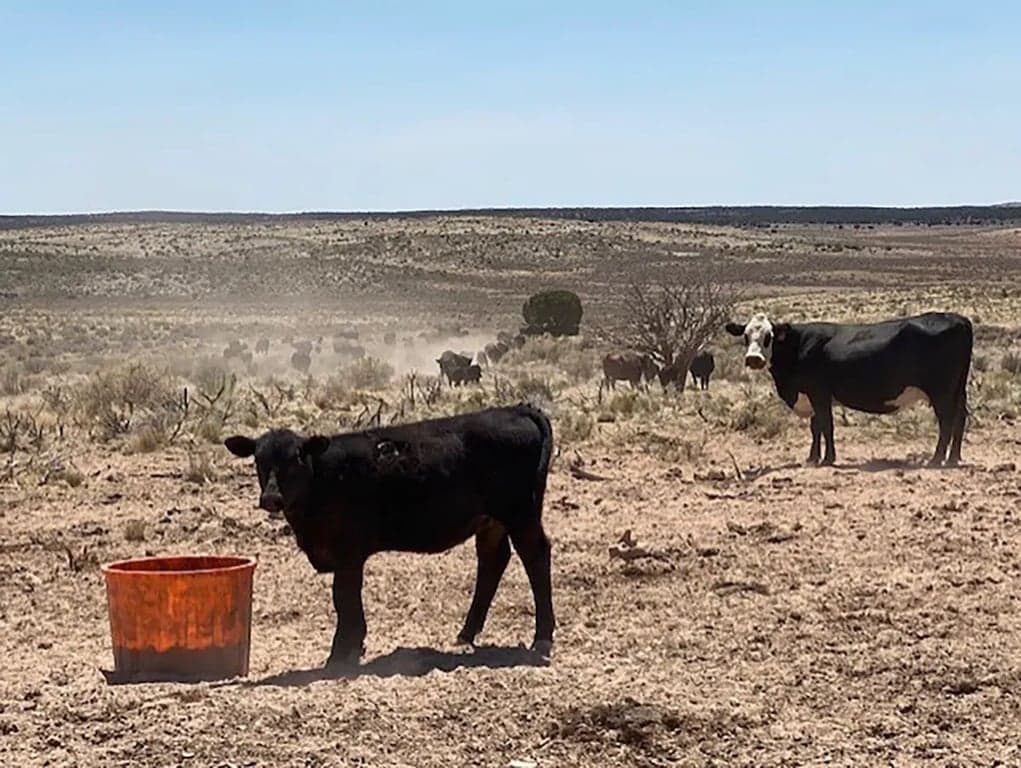
Cattle supply in the US is currently at one of its lowest points in seventy years for two main reasons: a large screwworm outbreak in Mexico and years of drought. These have reduced the amount of cattle coming to the US and make it less advantageous for farmers to increase their inventory, respectively.
The structure of the beef industry is particularly fragile when it comes to sudden decreases in supply. The population of cattle in the US follows its own three to five year boom and bust cycle, in which beef processors, like the Nebraska Tyson Foods plant, see lower profits during the bust cycle when cattle numbers are low.
Disease and drought exacerbates the effects of a bust on beef processors: low supply makes cattle more expensive to buy, but plants have very little flexibility to adapt their processes for smaller margins.
To make up for this vulnerability, they are accused of using their monopolistic powers to press for lower cattle prices to alleviate the strain of high-price-low supply cattle. Such behaviour has induced antitrust lawsuits against large processors.
Loading image...Climate Change Will Intensify Supply Shocks and Worsen Cattle Industry Losses
The environmental conditions that push cattle populations down are on track to only get worse as global temperatures continue to rise. Increased exposure to high levels of heat can induce heat-stress in cattle, which decreases milk production and has damaging effects on reproductive health, possibly exacerbating the issue of low cattle population.
Periods of low rainfall also prevent cattle producers from growing the amount of grass needed to feed their herds. While supplemental feed is heavily subsidised by U.S. taxpayers, droughts also incentivise reductions in herd sizes, causing an overall decrease in the cattle population and the industry’s economic viability.
With a continuous depressed supply, this may drive processors to endure tighter and tighter margins, resulting in more plant closures and job loss.
Anti-Competitiveness in an Increasingly Unviable Beef Industry
Beef processors consistently fail to adjust in the face of high-priced cattle and turn to using their concentrated, monopolistic power to stay afloat - the four largest meat processors in the US buy 85% of all cattle from producers.
They face allegations of price-fixing to widen their margins and frequently close plants to accommodate increasingly high cattle prices, which are trending upwards because of worsening climate change.
Additionally, while processors work around tight margins via price, cattle producers face growing debt to asset ratios and declining net incomes. As droughts become a larger problem world wide, banks should be aware of the mounting strain on producers in the beef industry.
Beef Lending and Investment Increases Exposure to Financial Risks
The volatility and uncertainty that is rife within the beef processing industry exposes banks and the industry’s other lenders to serious financial risks. As temperatures rise and cattle production becomes more precarious, the risks associated with the industry will increase significantly.
According to a 2025 study, 31 agricultural corporations may face $116 billion in losses over the next four years, which puts half a billion to a billion dollars of investments and loans from the top three US banks “at risk.”
Further into the future, the risk grows; between $536 million and $5,415 billion in loans and investments from those banks are put in jeopardy in 2050.
In light of this, withdrawing involvement from industrial animal agriculture would reduce exposure to significant risks in banks’ lending portfolios. Whilst investments to accelerate the transition to a sustainable, plant-rich food system represent a generational investment opportunity to capitalise on for banks, as well as reducing the environmental damage arising from their financed activities.
Did You Know That You Can Divest Too? Find Out How Environmentally-Friendly Your Bank is Today
Discover how your bank is investing and send them a message about the importance of ditching factory farm finance.
Follow Bank for Nature on Instagram, LinkedIn and Substack to help us drive this critical change and stay up to date on news at the cross-section of nature, finance and factory farming.
Want more research like this?
Subscribe to the only source dedicated to factory farm finance!