Bank for Nature Newsroom
Where Nature Meets Finance - News, Blogs and Other Stories on Factory Farm Finance
The World Bank in the Spotlight: Financing an Industry Killing Sustainable Development
A new report by Stop Financing Factory Farming has a simple message: billions intended for sustainable development is still flowing into factory farms, super‑charging nature loss and pollution in countries already suffering from climate shocks and extreme heat.
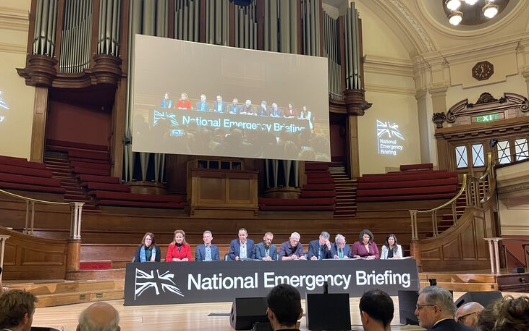
The UK National Emergency Briefing: What Was Said on Nature, Food Systems and Finance?
At the National Emergency Briefing, the transition to away from animal-based diets towards plant-rich diets was repeatedly emphasised as critical to both mitigate the climate and nature crises as well as to protect against its many negative outcomes. Read on to learn more about what the briefing said on the food transition, the role of banks and the important role you can play to drive change.
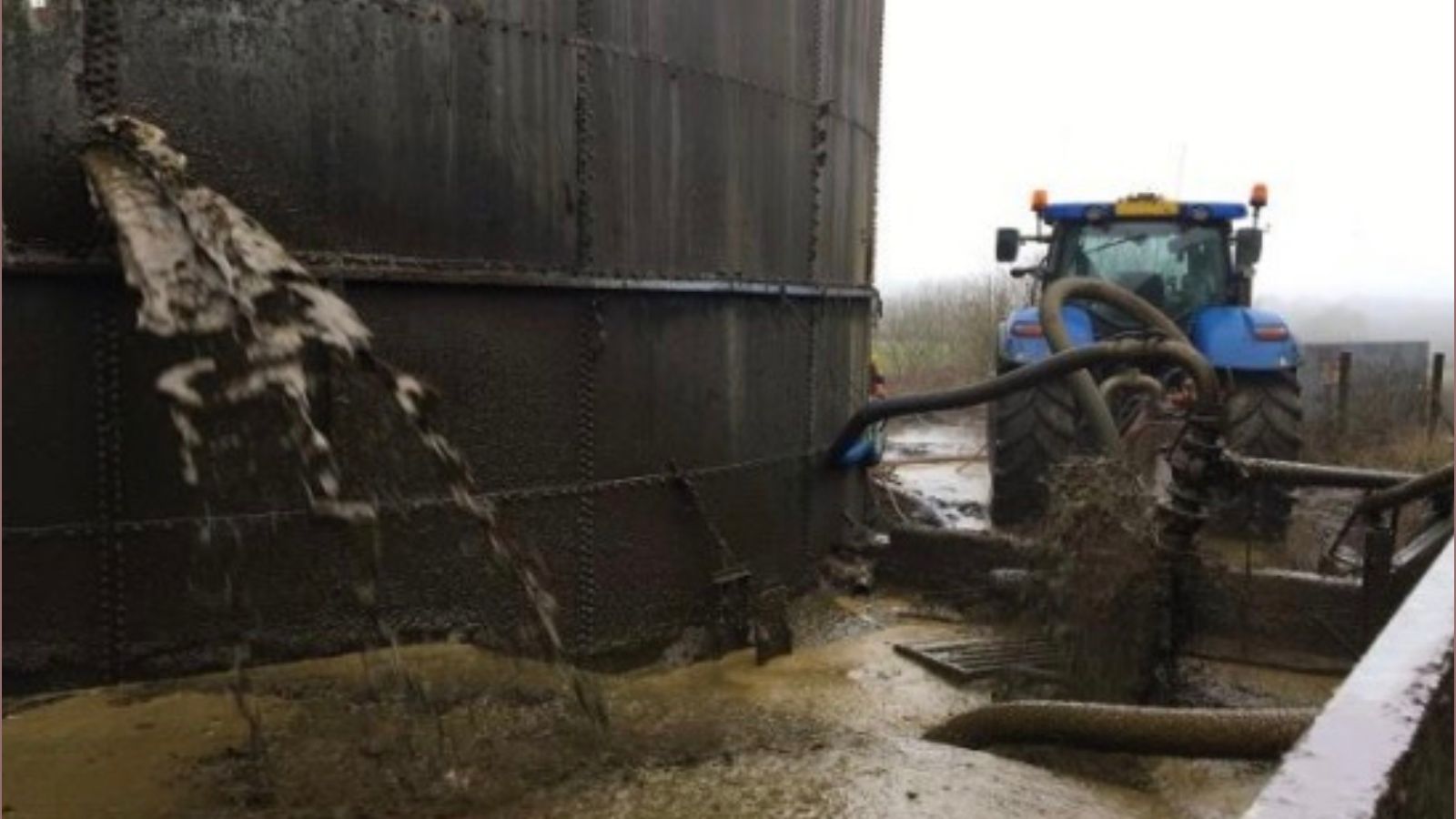
Toxic Truths: The Human Cost of Factory Farming
Industrial animal agriculture poisons the air, endangers workers, and harms communities. Discover the human cost of factory farming and how banks are funding the damage.

FARMS Initiative Launches at COP30 - Here's Why it Matters For Responsible Investors Serious About Sustainability
A landmark moment for sustainable finance unfolded at COP30 in Belém, Brazil, where the FARMS Initiative launched its Responsible Minimum Standards (FARMS) for the Protein Shift. It represents another significant step forward to support financial institutions address the financial risks associated with factory farming.

Volunteer Opportunity: News & Content Writer at Nature & Animal Advocacy Non-Profit
Do you want to use your writing skills to help address one of the greatest moral issues of our time? Join Bank for Nature as a volunteer News & Content Writer to help build our newsroom and develop thought leadership at the intersection of nature, factory farming and finance.

Volunteer Opportunity: Social Media Content Creator at Nature & Animal Advocacy Non-Profit
Are you morally ambitious, passionate about solving global crises, and eager to use your creativity to drive systemic change? Join Bank for Nature as a Social Media Content Creator Volunteer and help build a nature-positive and animal-friendly future through digital engagement.

Mighty Earth’s Lawsuit Against JBS and Barclays’ is Stark Reminder of the Financial Risks Associated with Factory Farming
Mighty Earth has filed complaints in the US and UK against Barclays and factory farm giant JBS over alleged greenwashing and financial fraud tied to billions in ‘sustainable’ finance. What does this mean for you, and is your bank also financing factory farming?
.png?alt=media&token=50cb5822-9046-4313-a320-2f09b506993a)
UK Nature-Friendly Bank Rankings: The Most and Least Ethical Banks for Nature, Factory Farming and Animal Welfare (2025)
Searching for an ethical bank in the UK? Find out which banks support a sustainable future, and which are fuelling the world’s most polluting industries. This evidence-driven guide covers three good banks (Nationwide, Triodos, Co-operative) and three bad banks (Barclays, HSBC, Lloyds), with a focus on factory farming and industrial animal agriculture, nature, and climate impacts.
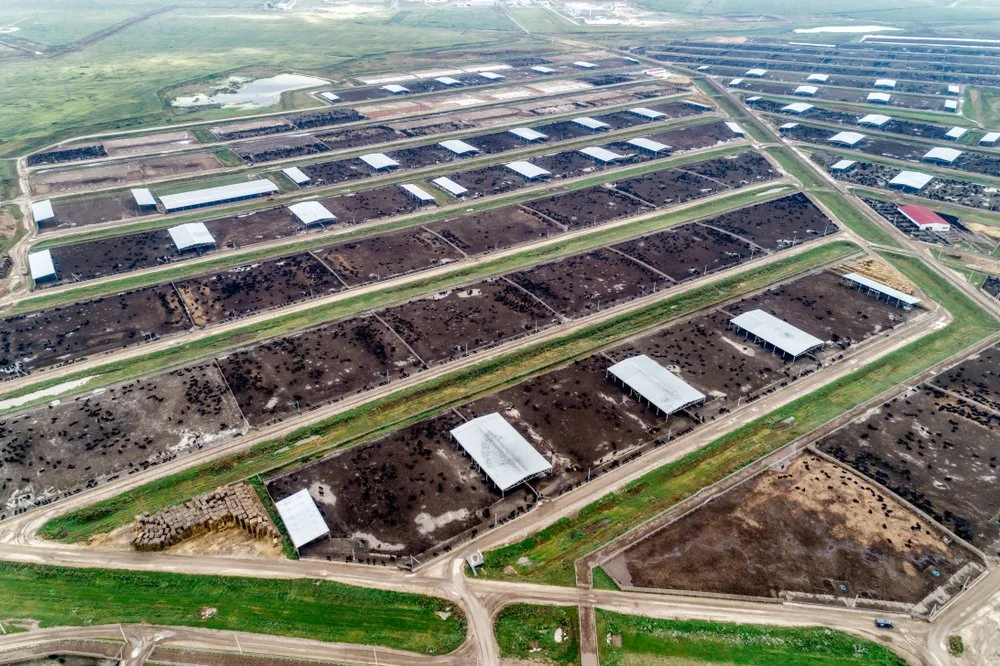
FAIRR Report Reveals Financial Risks of Industrial Animal Agriculture for Banks - How Factory Farm Finance May Impact Your Money
FAIRR report uncovers financial risks from industrial animal agriculture and factory farming. Learn how your bank finances factory farming and what you can do.
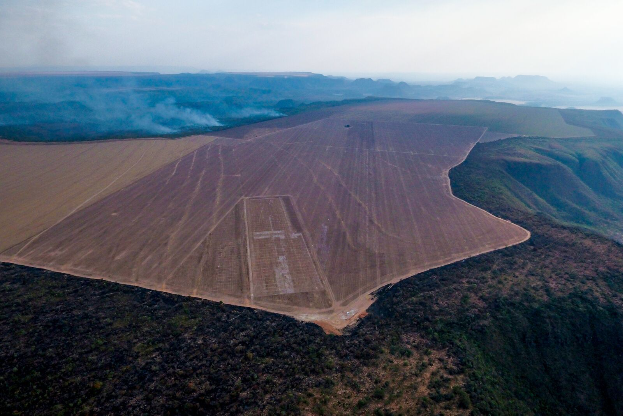
Factory Farming is Leading Driver of Food Waste – Banks are Critical to Address It, New Report Finds
The new report Food Not Feed: How to Stop the World’s Biggest Form of Food Waste exposes the staggering inefficiency of factory farming to feed the world, and the level of global food waste and environmental degradation that comes with it.
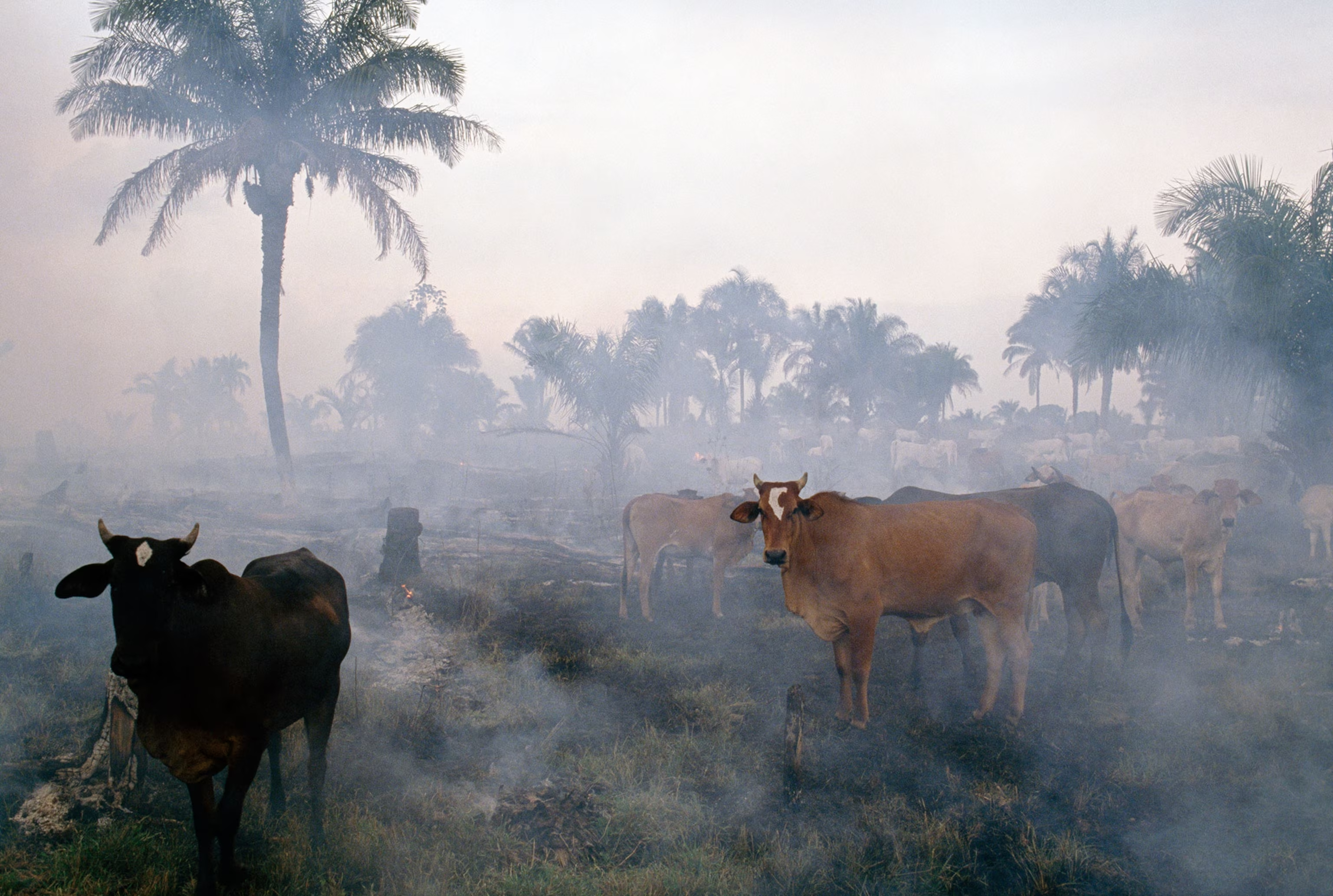
Factory farm giant JBS linked to illegal grazing on indigenous land, yet remains heavily financed by major banks
JBS beef from illegally grazed Amazon Indigenous lands is landing in European stores—with major banks still funding the meat giant despite its links to deforestation and rights violations. Consumers can use their power to change that: switch banks and demand change to protect forests and Indigenous communities.
Want to Bank on Nature? Then its time to Bank for Nature
The launch of Bank for Nature marks a new chapter in the movement to align finance with a thriving planet. Our mission? To empower consumers to encourage their banks to do better - specifically, to move money away from factory farm finance, manage the financial risks linked to industrial animal agriculture, and accelerate the food transition.